Water Removal in Aurora, CO
Fast extraction of standing water from basements, offices, retail floors, and multifamily buildings across Aurora, followed by drying that's measured and documented.
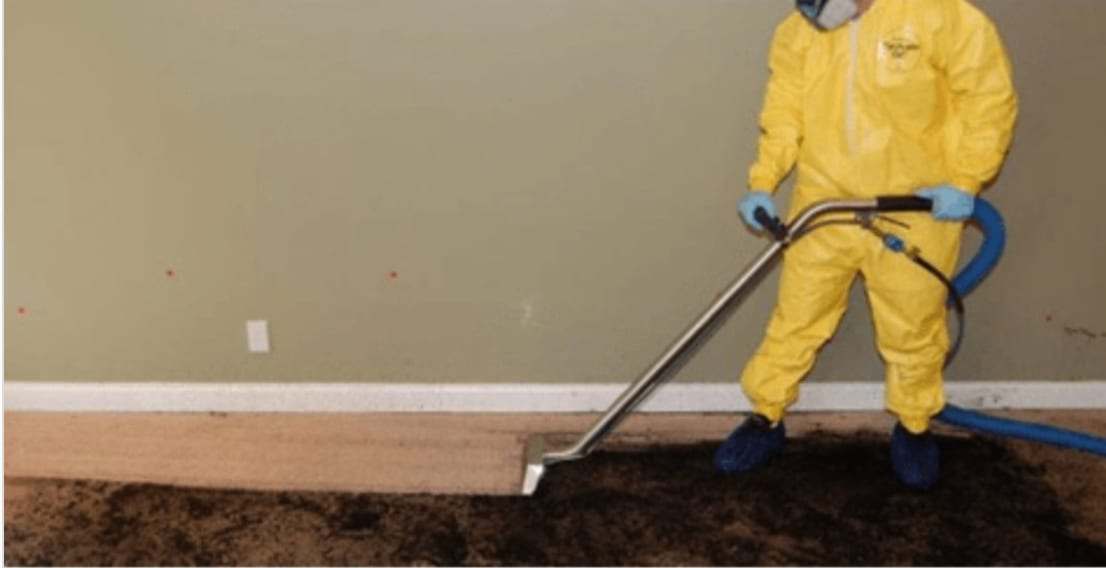
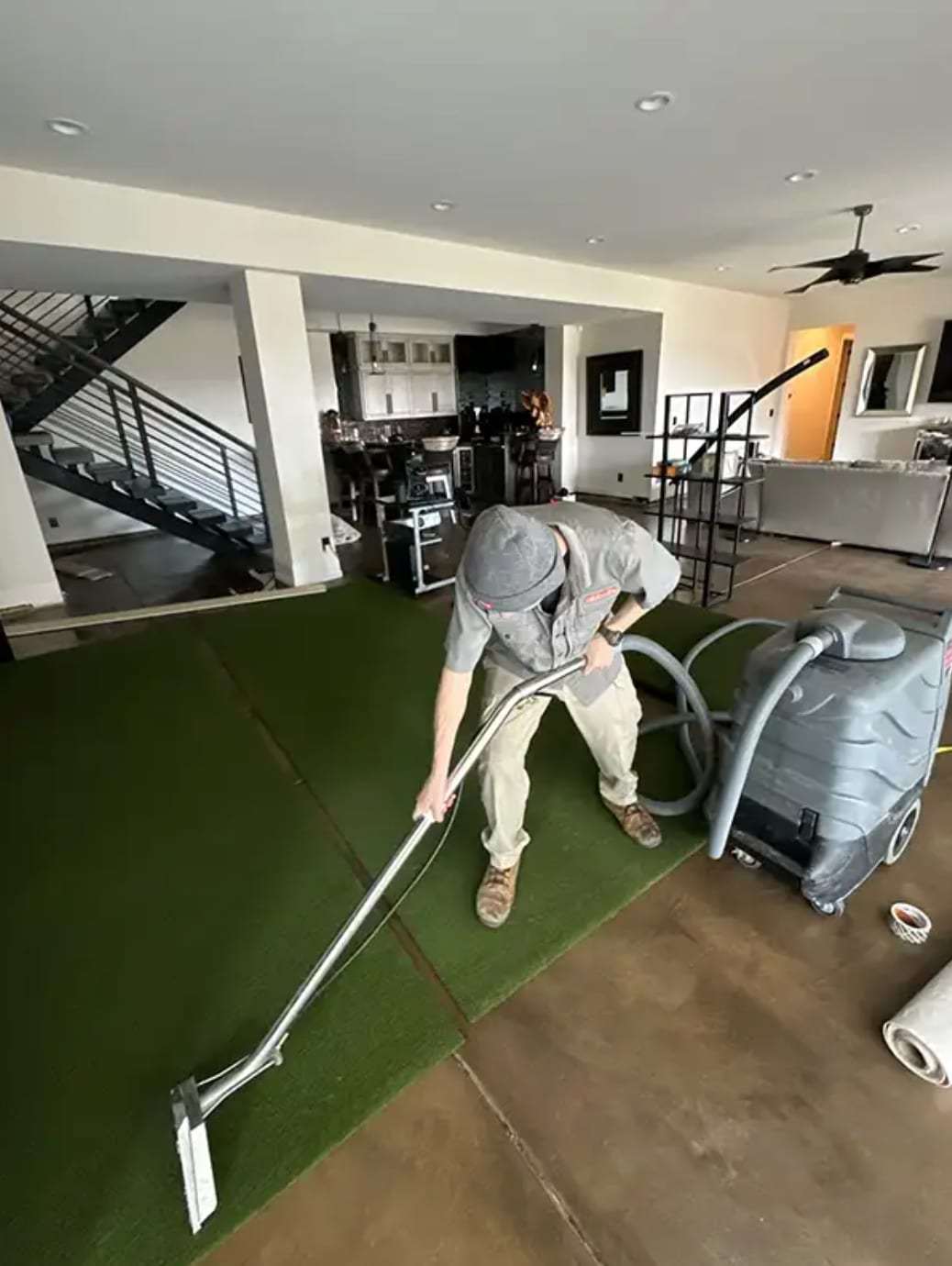
Removing the water is step one, and it sets the pace for everything after
Water removal means physically pulling water out of the building: pumping standing water from basements and slabs, and extracting what's held in carpet, pad, and porous surfaces. It's the fastest way to reduce damage, because every gallon removed by equipment is a gallon that doesn't have to evaporate into the air and soak into walls.
Aurora's building stock ranges from older ranch homes to new construction on the city's east side, plus offices, warehouses, retail centers, and apartment communities. A good water removal job uses extraction equipment sized for the space and follows removal with drying and moisture monitoring so the structure is actually dry, not just free of puddles.
Before you hire anyone, ask whether the technicians hold IICRC certification for water damage work, and ask to see it.
It's the fastest way to reduce damage, because every gallon removed by equipment is a gallon that doesn't have to evaporate into the air and soak into walls.
When professional water removal is needed
-
Standing water on any floor, regardless of depth, especially on carpet or wood.
-
A flooded basement or crawlspace after a plumbing failure, sump pump failure, or storm.
-
Water spread across a commercial floor, including offices with carpet tile, retail sales floors, or common corridors.
-
Fire sprinkler discharge or a broken fire line in a commercial building.
A house and a building are different jobs
Removing the water works the same way everywhere. Who decides, who gets in and who pays does not. Aurora has both owner-occupied neighborhoods and a large stock of apartments and condos, and the first hour goes faster when you know which situation you're in.
Water removal and drying, step by step
Extraction is followed by drying and verification so the space can be reopened with confidence.
01 Assess
Identify the source, map affected areas, and determine whether the water is clean or contaminated.
02 Pump and extract
Use pumps for deep water and extraction tools for carpet and hard surfaces, removing as much water as possible up front.
03 Remove what can't be dried
Pull saturated pad, baseboards, or insulation where needed and document the removal.
04 Dry and monitor
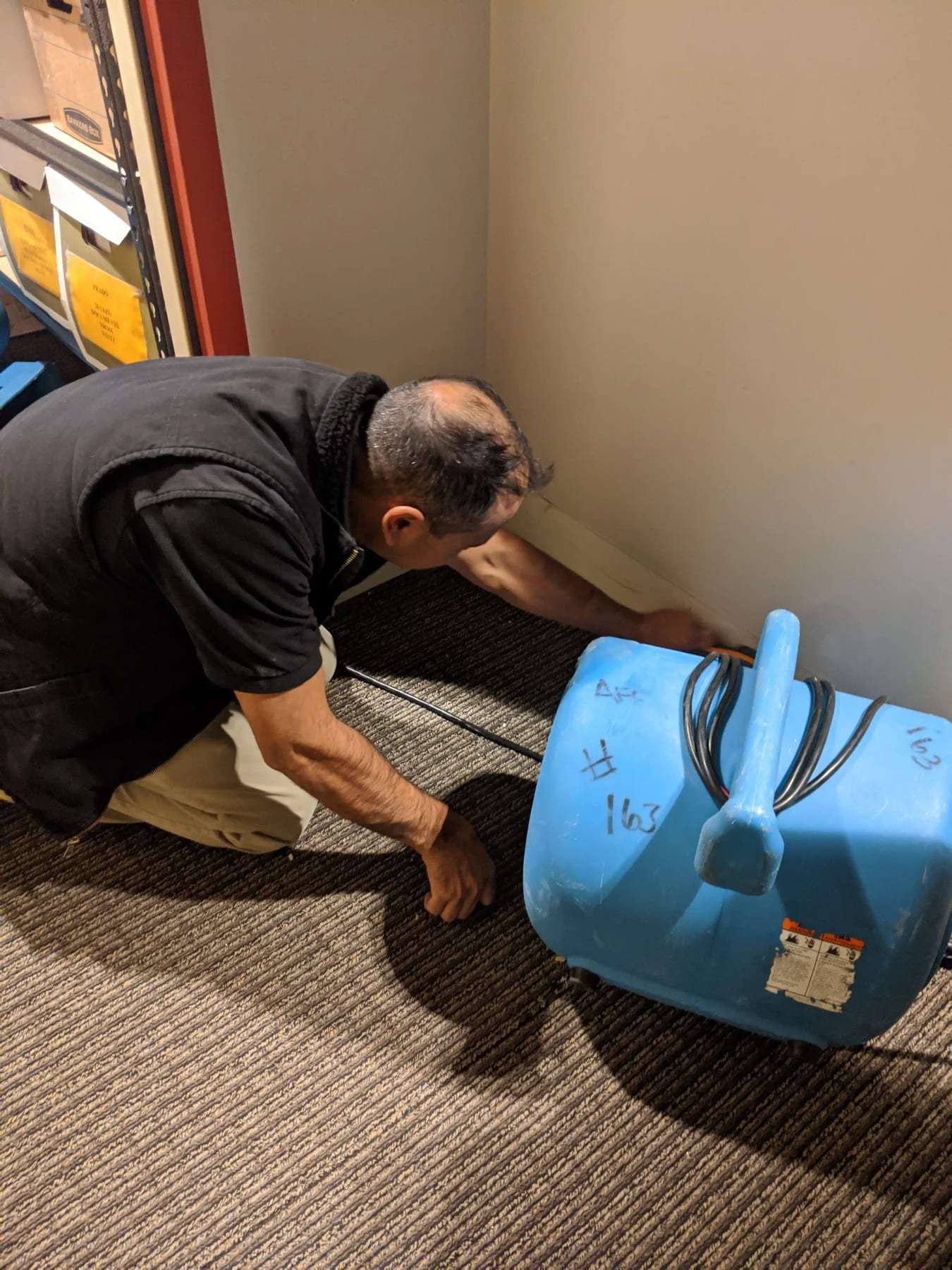
Run dehumidifiers and air movers and record moisture readings each day until drying goals are reached.
05 Restore
Coordinate repairs so occupants, tenants, or customers can return to the space.
Common water losses across Aurora
01 Flooded ranch-home basement
A homeowner in an older Aurora neighborhood finds water across the basement after a water heater fails overnight.
02 Office suite after a supply line break
A break-room sink line fails over a weekend, and carpet tile across a suite is wet by Monday morning.
03 Apartment building corridor
A leak in an upper-floor unit spreads into the hallway and the units below, and the manager needs water removed from several spaces at once.
Immediate steps
Do
- Stop the source and, in a commercial building, alert the property manager or facilities team.
- De-energize affected areas if water is near electrical equipment.
- Move inventory, files, and electronics off the floor and away from wet areas.
- Keep people out of wet areas to prevent slips and tracking water into dry spaces.
Don't
- Don't wade into water that is near outlets, panels or electrical equipment that is still live.
- Don't leave inventory, files, rugs or electronics sitting on wet floors while you wait.
- Don't let people walk through wet areas and track water into dry rooms.
- Don't shut off a building's main supply on your own in a shared building; it affects every occupant, so let the property manager or facilities team make that call.
Water removal in a large, varied city
Aurora is Colorado's third-largest city and spans parts of Arapahoe, Adams, and Douglas counties. Its housing ranges from mid-century neighborhoods in the older northwest part of the city to newer master-planned communities to the east and south, along with a large inventory of apartments and townhomes. It's also a major employment center, with medical, aerospace, retail, and distribution facilities.
That variety means water removal needs vary too: a basement in a 1960s ranch, a slab-on-grade townhome, a medical office with sensitive equipment, or a commercial space where every day closed costs revenue. Ask whether a company handles residential work, commercial work, or both.
ZIP codes served: 80010 (Aurora), 80045 (Aurora), 80247 (Denver), 80012 (Aurora), 80011 (Aurora), 80014 (Aurora), 80017 (Aurora), 80013 (Aurora), 80015 (Aurora), 80018 (Aurora), 80019 (Aurora), 80016 (Aurora), 80137 (Watkins).
Also nearby: 80230, 80220, 80238, 80207, 80266, 80246, 80239, 80224, 80206, 80231, 80205, 80218, 80209, 80222, 80216, 80203, 80210, 80202.
Go deeper on water removal
Longer guides and planning tools for homes, apartment buildings and commercial spaces in Aurora.
Learn17
- Truck-mounted or portable extraction: which fits the building?
- Wet carpet and pad: what extraction can save and what it cannot
- Pumping a flooded basement without making it worse
Tools9
- Facilities checklist for a commercial water loss
- Water loss photo and inventory worksheet
- Questions to ask before hiring for water extraction
Questions
- How quickly should standing water be removed?
- As soon as possible. Materials keep absorbing water as long as it's present, and mold can begin to grow on damp materials within roughly 24 to 48 hours.
- Can wet carpet tile in an office be reused?
- Carpet tile exposed to clean water can sometimes be extracted and dried, depending on the backing, how long it was wet, and the adhesive. Tiles exposed to contaminated water are typically replaced.
- What's the difference between water removal and water mitigation?
- Water removal is the extraction of standing and absorbed water. Mitigation is the broader effort to limit damage, which includes extraction plus removing unsalvageable materials, drying, and monitoring.
- Is floodwater from outside treated differently?
- Yes. Water from outside flooding or sewage is considered contaminated. Porous materials it contacts are usually removed, and surfaces are cleaned and sanitized.
- Can water removal work around business hours?
- Commercial jobs are usually planned with the property contact. Ask about scheduling and phased work before you hire a company.
- Do I need to file an insurance claim before calling?
- No. Start mitigation promptly to prevent further damage, which most policies require, and notify your insurer as soon as you can.
- Water came from the unit above mine. Who should call the restoration company?
- Report it to your property manager or HOA right away. They usually authorize work in common areas and in the source unit. You can still call a restoration company about your own unit, but the building's response is faster when management coordinates access to every affected unit.
Describe the water problem
This form is not connected. This website is a draft preview: no business has been confirmed to receive requests, so the fields below are switched off and nothing can be sent. In an emergency, call 911.